Welcome
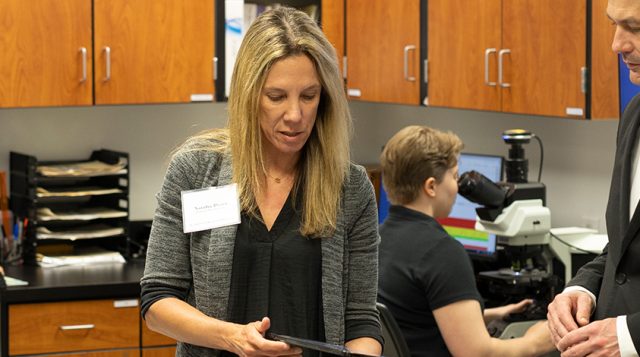
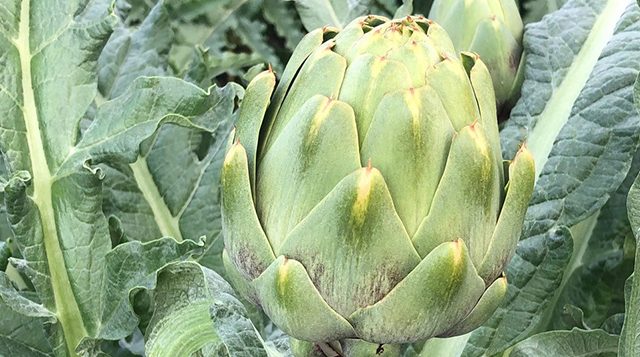
The Horticultural Sciences Department at the University of Florida is a team of faculty, staff, and students dedicated to improving fruit and vegetable production for the benefit of farmers and consumers. Florida’s climatic diversity and the facilities at UF provide opportunities for research with temperate, sub-tropical, and tropical crops on a nearly year-round basis. We conduct cutting-edge research in plant breeding & genetics, plant and environmental physiology, fruit & vegetable production, postharvest physiology, biochemistry, and other disciplines. We offer high-quality education and training for undergraduate and graduate students to equip them with the skills needed to be successful in satisfying, high-paying careers. Our diverse faculty is located throughout the state, integrating our research/teaching/extension programs to provide practical experience for our students, technical support for our farmers, relevance for our horticulture industry, and a pipeline to bring leading research from our labs to you.